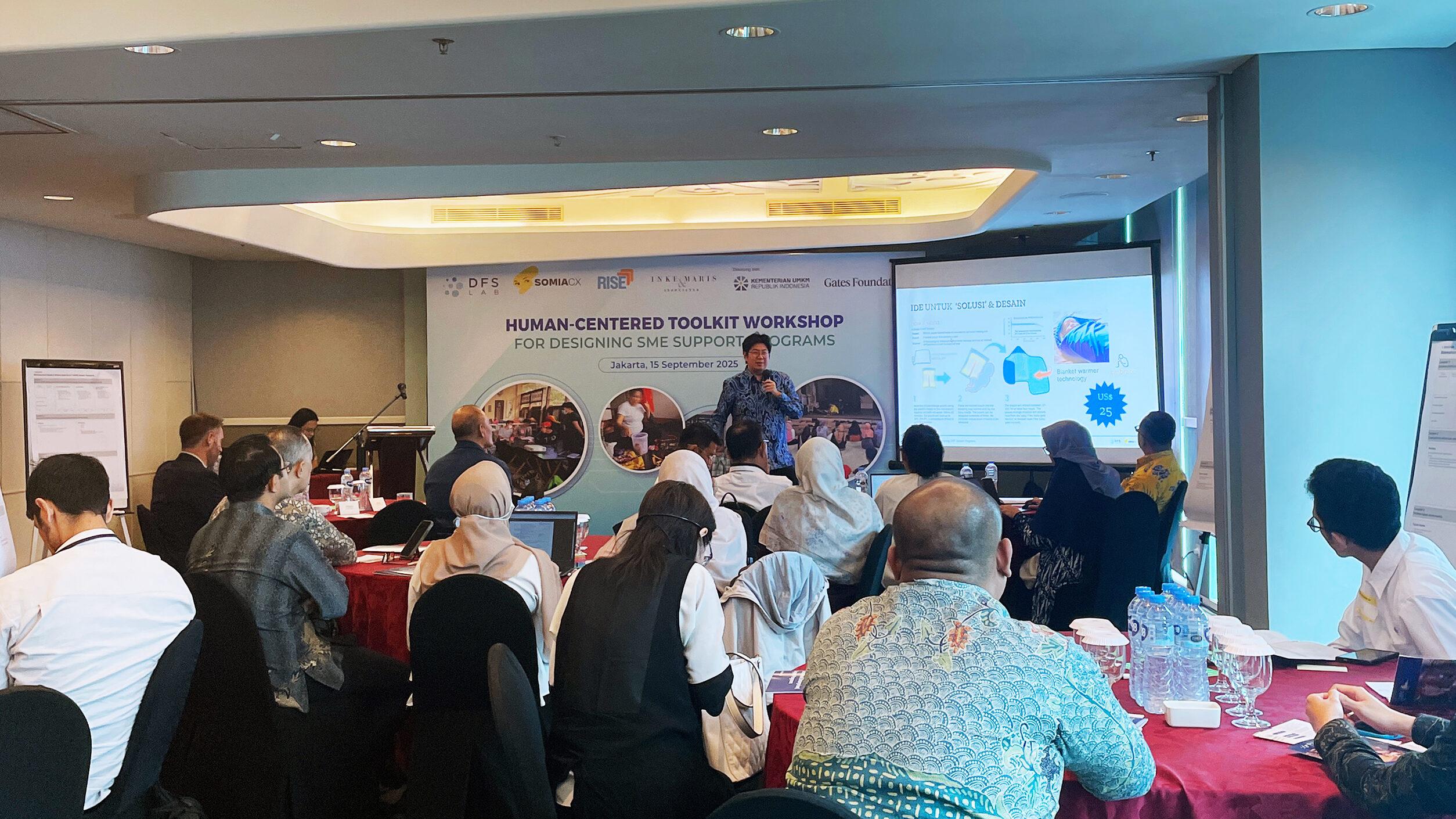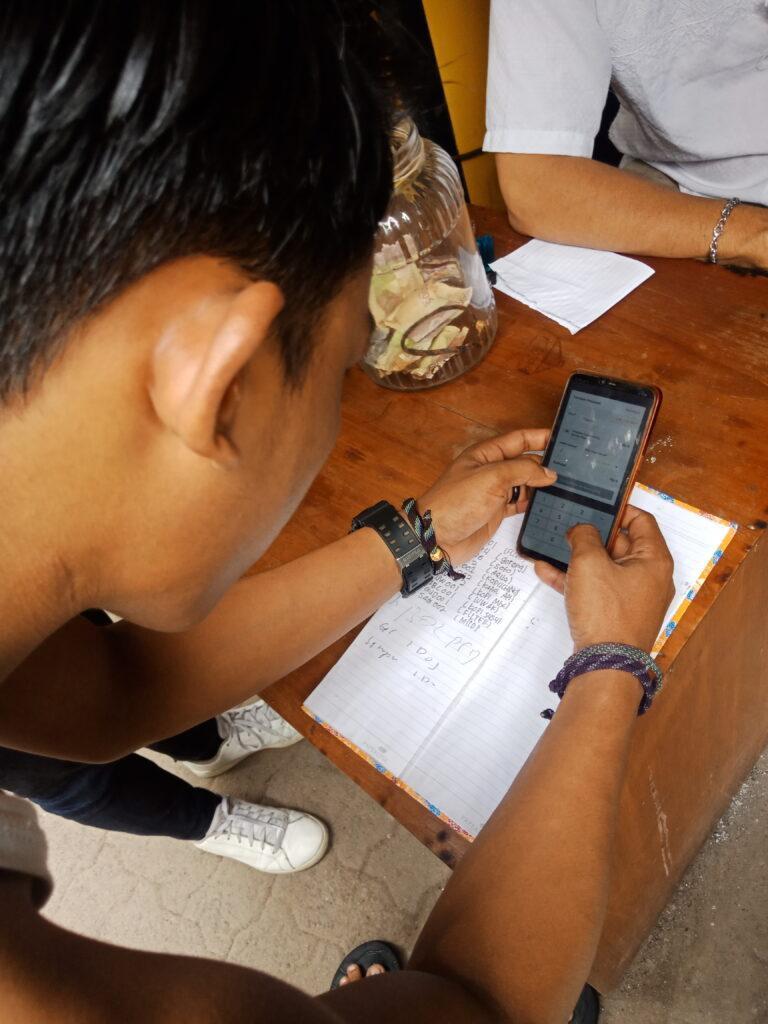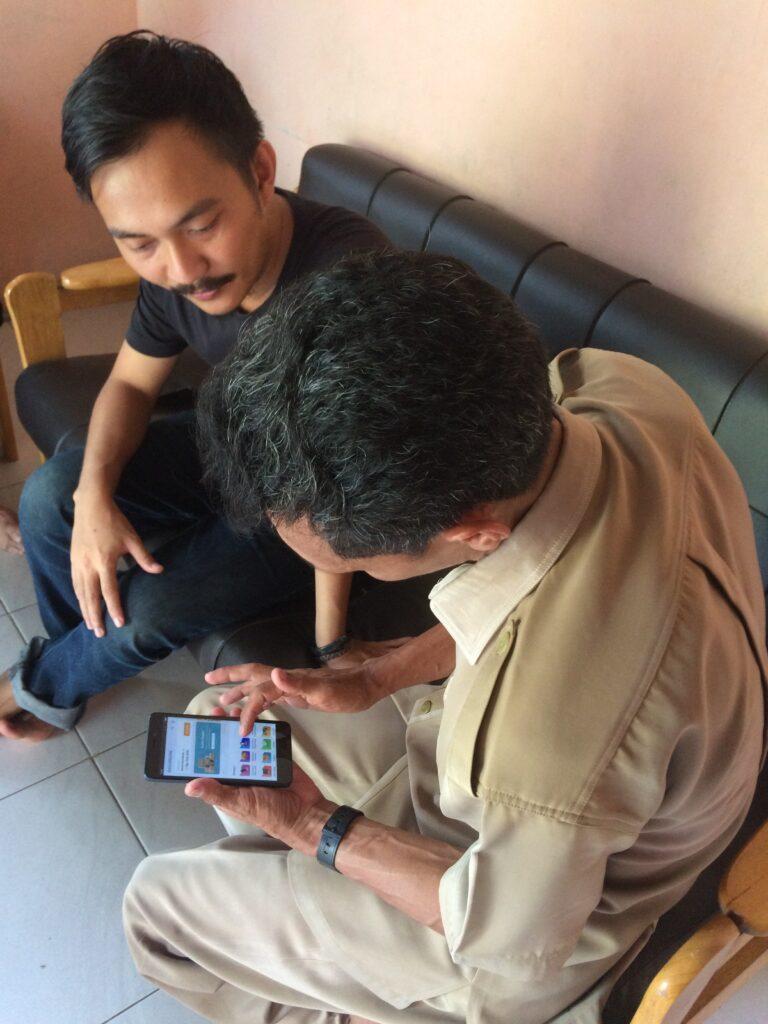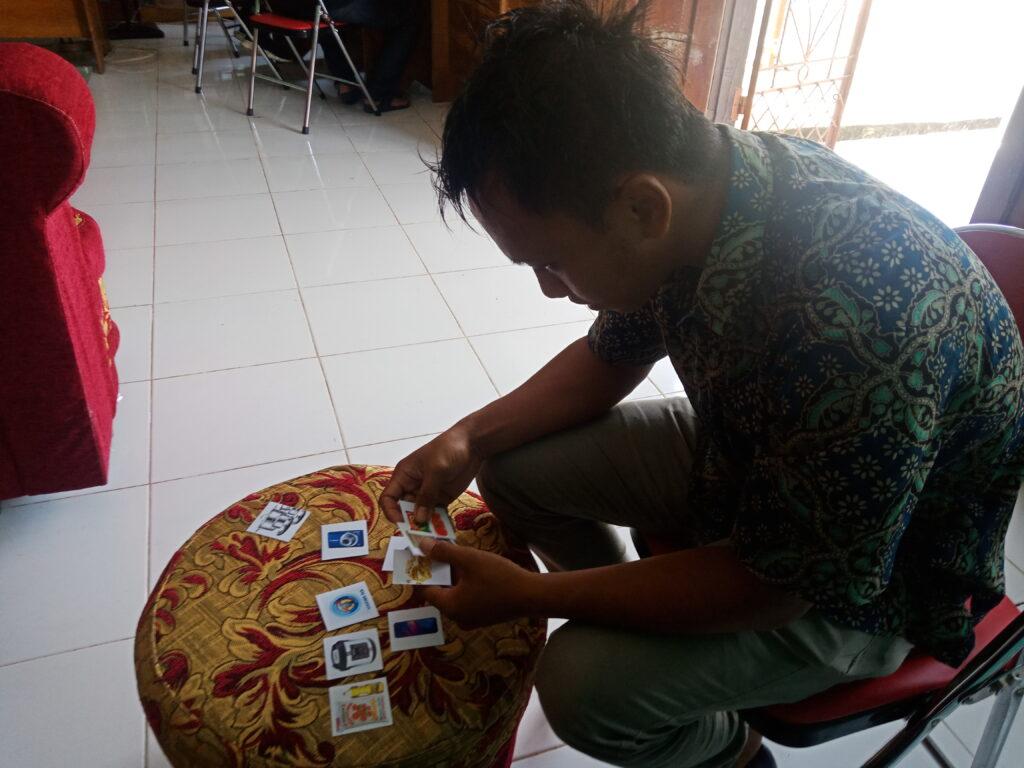
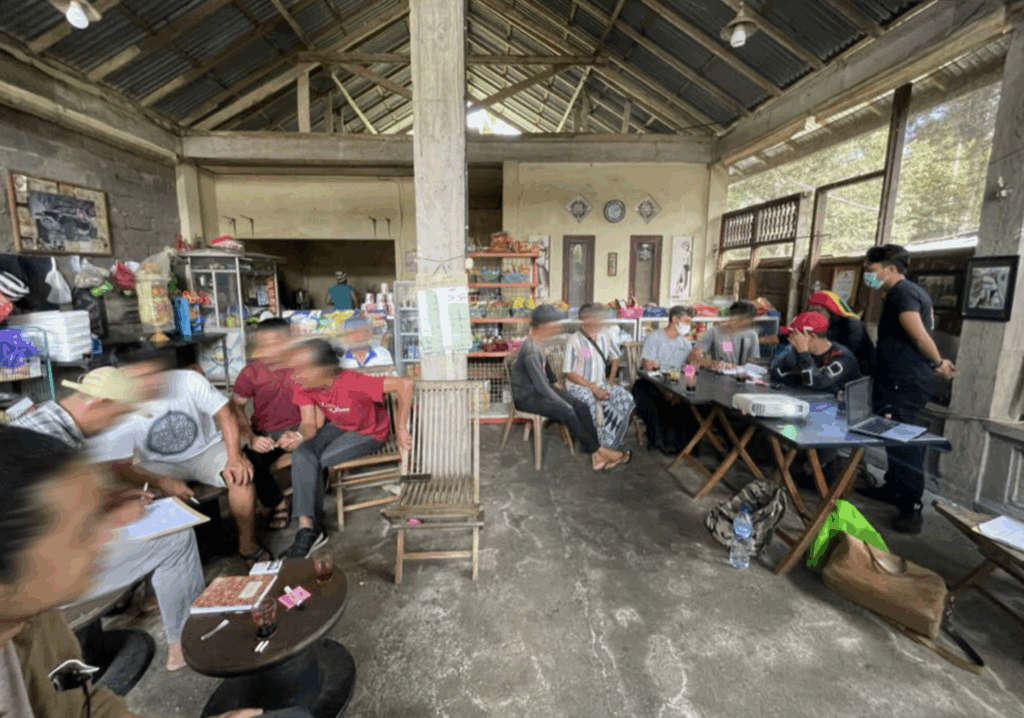
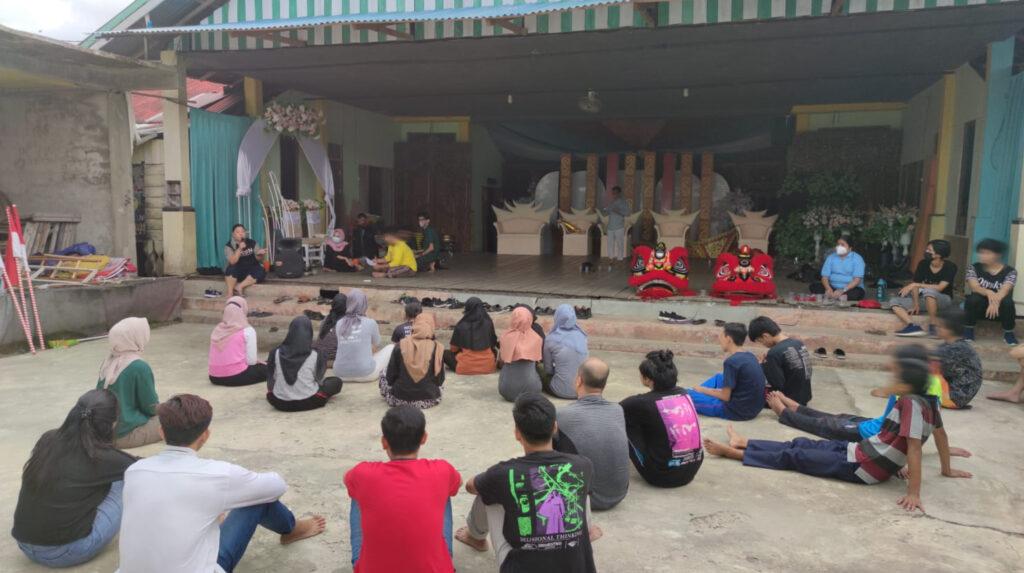
For some MSEs unused to formal training, informal sessions feel more welcoming and unthreathening. – photo by Yohanes Arya Duta

This project looked at how government institutions, NGOs, universities, and digital selling platforms in Indonesia design and run onboarding programs to help Micro and Small Enterprises (MSEs) start and grow their sales online. It focuses on the ecosystem around MSEs, from policymakers and platforms to grassroots facilitators, and how their roles shape program design and outcomes. The goal was to see the bigger picture, including what programs exist, what works well, what challenges remain, and where the gaps are. Commissioned by DFS Lab, funded by the Gates Foundation, and conducted by Somia CX. 
A descriptive report with research insights, best practices, challenges, and field stories. Made to compile the main findings in detail. Written in April 2024.
Download the report here

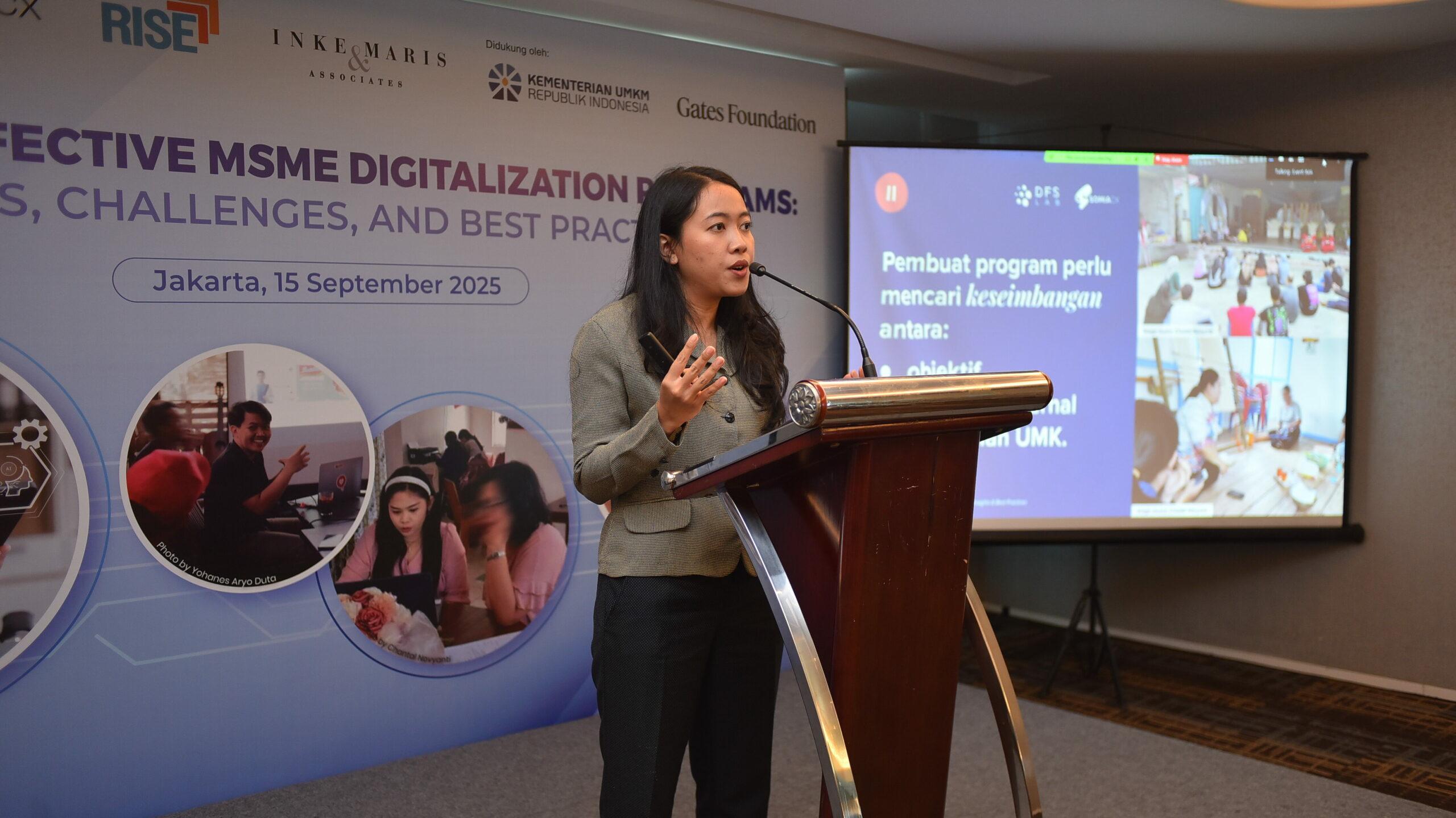
The dissemination presentation with key learnings, best practices, challenges, and opportunities. Made to spark reflection and discussion with government, NGOs, and associations. Written in September 2025.
Download the presentation here

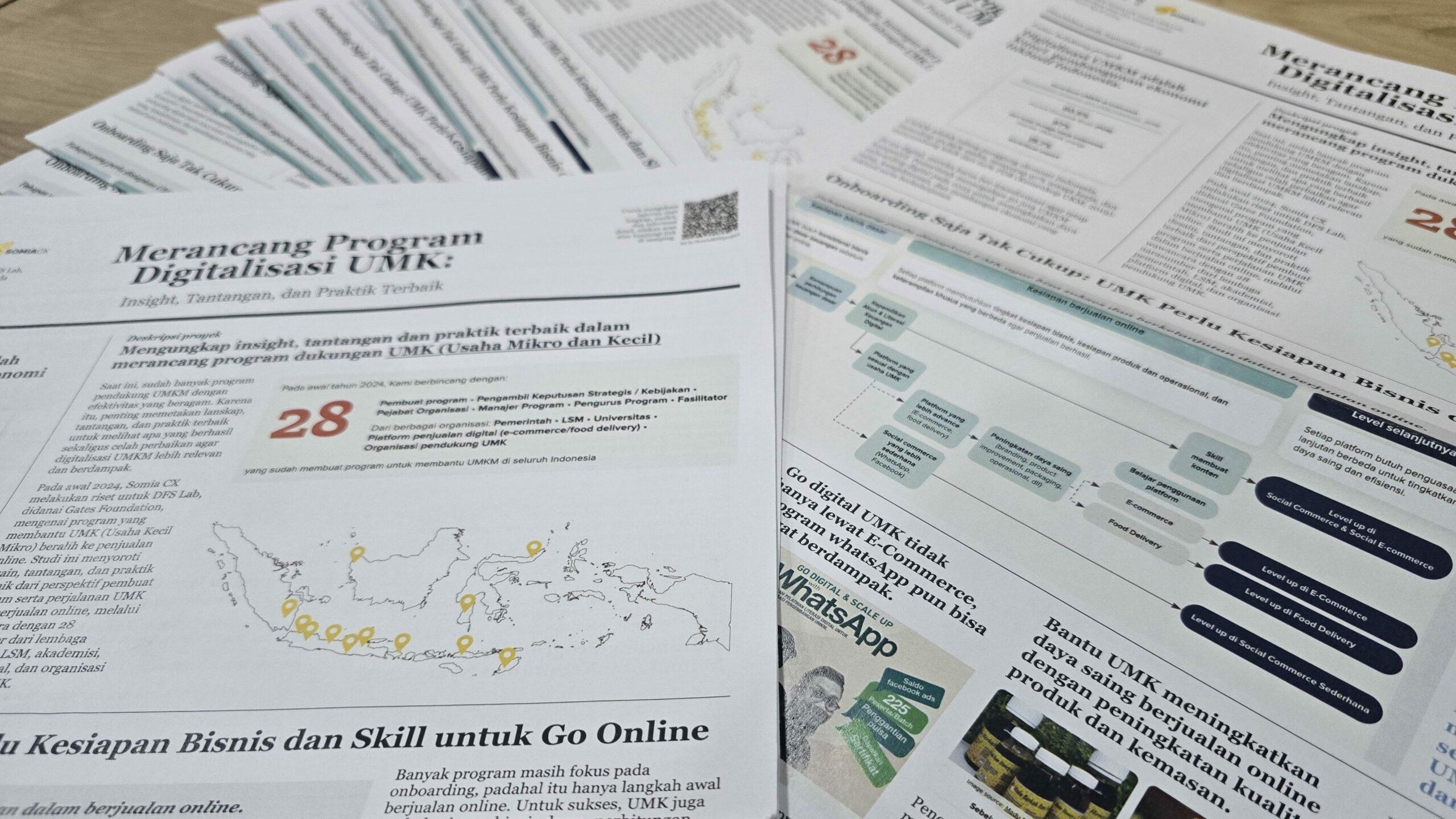
A one-page newspaper summarizing research findings and challenges. Designed to help participants quickly grasp the presentation and take it home as a reference. Written in September 2025.
Download the news here

Human-Centered Toolkit for Designing MSE Support Programs. Combining research findings with HCD, this toolkit helps program makers reflect, discuss, and co-design more relevant initiatives for SMEs. Written in September 2025.

Download the toolkit here

The Impact

This research found that effective onboarding for Micro and Small Enterprises (MSEs) requires more than digital tools. MSEs go through several stages before successfully selling online, starting with basic financial literacy and social commerce through platforms like WhatsApp or Facebook. To compete online, they also need production capacity, branding, and operational readiness, including logistics and the time or resources to manage sales consistently.

The report maps the landscape of onboarding programs and outlines best practices, including curated recruitment, pre-assessment, hands-on learning, mentoring, and clear communication of program value. It also highlights key challenges, including limited program discoverability, the absence of a unified MSE database, and the tendency for short-term targets to limit long-term impact.

To broaden its impact, the findings were featured in several national media outlets, including Kompas, iNews Tangsel, Warta Ekonomi, Akurat.co, Getimedia, SINDOnews, and RCTI+, helping to spark public conversation about the need for holistic, integrated approaches to MSE digital empowerment. The research will also be shared in dissemination sessions with government bodies, NGOs, and ecosystem enablers, alongside a user-centric planning toolkit to support future program design.

We have shared the research in dissemination sessions with over 80 participants from government bodies, regulators, financial institutions, digital platforms, NGOs, and business associations, together with a user-centric planning toolkit to spark discussion from the research and inspire next steps for advancing MSMEs.

Our Approach

We conducted in-depth interviews with 19 primary stakeholders involved in MSE support programs, including representatives from government institutions, NGOs, universities, digital selling platforms, and support organizations. These conversations were complemented by additional discussions with 9 other informants and informal inputs from ecosystem players who supported recruitment and context-building.

Although our research team was based in Jakarta, we engaged with stakeholders operating across various regions, including Jakarta, West Java (e.g., Bandung, Bogor), Central Java, East Java (e.g., Malang), Yogyakarta, Bali, South Sulawesi (e.g., Makassar), and East Nusa Tenggara (NTT) and other places. Interviews were conducted through a mix of online and offline sessions, depending on respondent availability and location.

Our Journey and Process

Desk Research and Initial Mapping

Unlike most of our projects, this study focused on mapping the landscape of onboarding programs for Micro and Small Enterprises (MSEs) going digital, rather than solving a single problem. We started with desk research, but found that online information was scarce and mostly surface-level, making it hard to identify deeper challenges.

Snowball Recruitment and Network Outreach

Because program makers were not always visible, we could not use standard recruitment channels. We used snowballing through our networks, direct outreach to program implementers, and connections via DFS Lab and the Gates Foundation network. It turns out many programs are not widely advertised online, as their focus is on delivering education rather than public promotion.

Adaptive and explorative Interviews

We prepared a discussion guide but soon found a rigid structure was not effective. Each organization had its own way of running programs, and the people we spoke with held different roles, from high-level planners and visionary leaders to program managers and facilitators, so one guide did not work for everyone. With shifting topics, we took an adaptive approach to the interviews. After each interview, we debriefed to reflect on what we learned and the research direction, and adjusted the next session’s focus. This kept the research highly exploratory and responsive to new insights.

Synthesis and Reporting

Findings were synthesized into frameworks and a research report outlining program types, MSE readiness stages, best practices, and systemic gaps. These will inform ecosystem players and support the creation of a toolkit for more user-centric program design.

Dissemination & Toolkit workshop

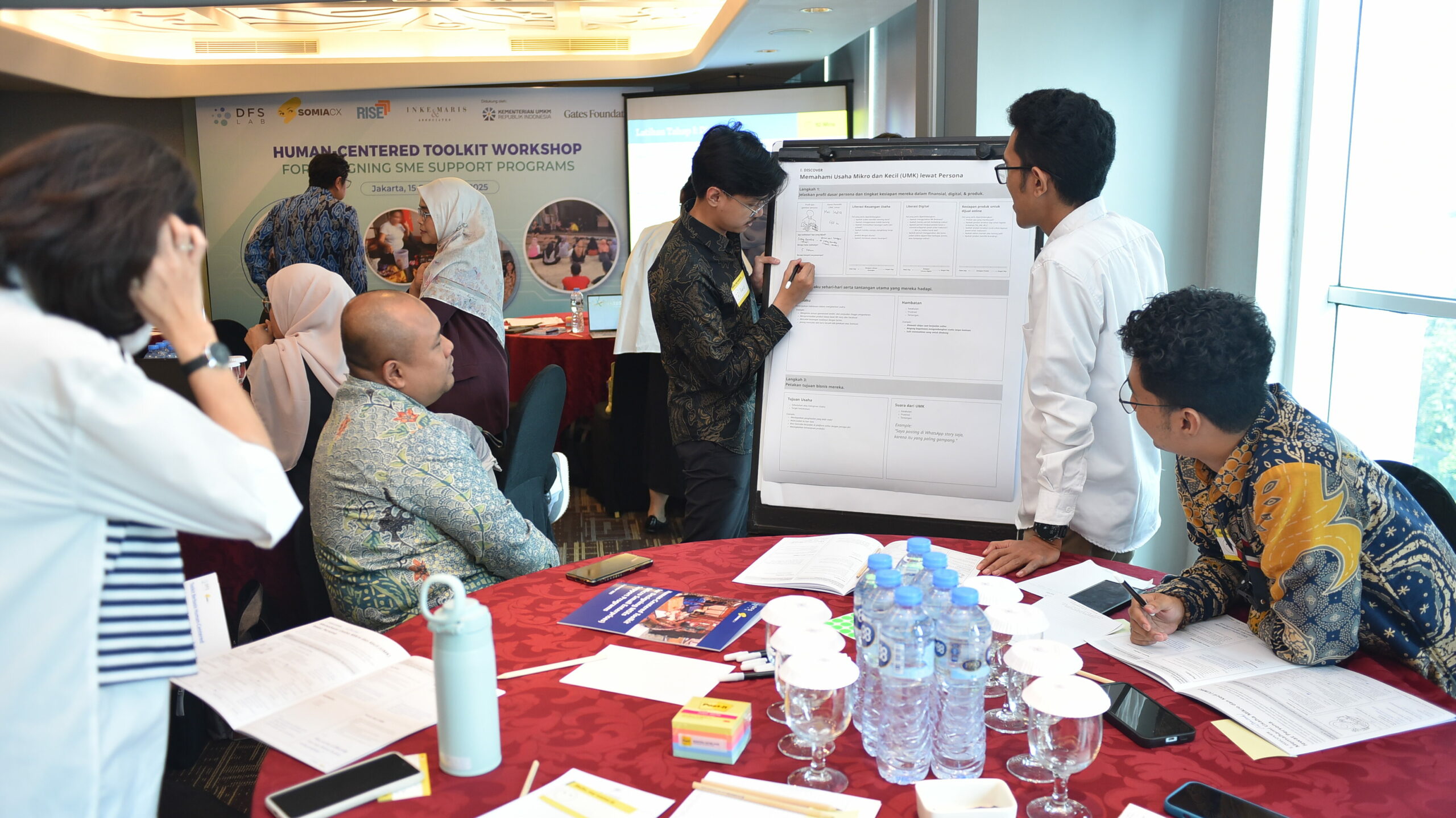
The research was shared through dissemination sessions and a toolkit workshop with over 80 participants from ministries, regulators, financial institutions, digital platforms, NGOs, and business associations. Alongside the findings, we introduced a user-centric planning toolkit, not as a final plan, but as a discussion aid to reflect on program fit with MSE needs. The dissemination aimed to open dialogue among stakeholders and encourage possible next steps for advancing MSE digitalization.
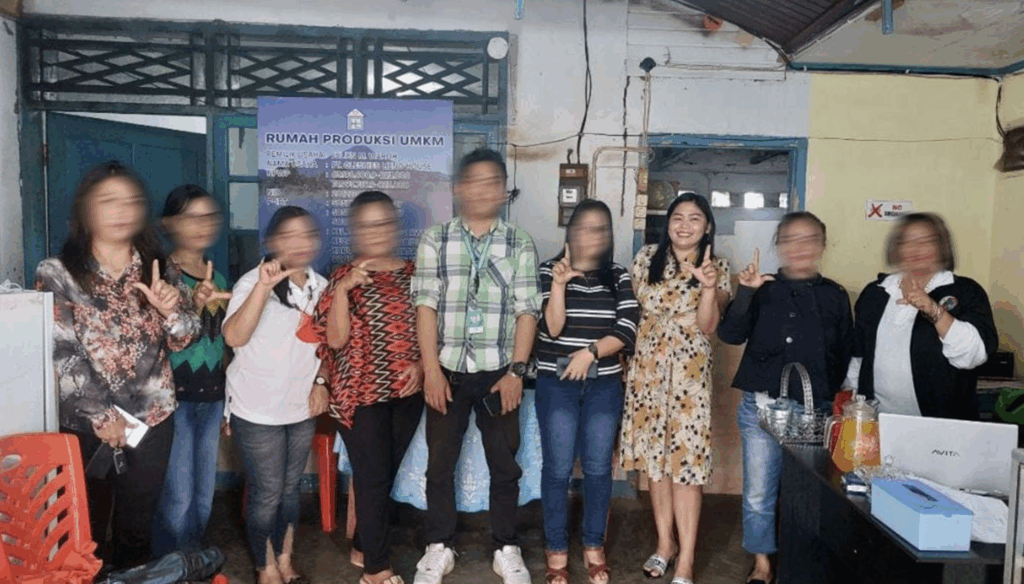
MSE training by Rumah BUMN Airmadidi in North Minahasa, North Sulawesi – photo by Florentia Karunia Lengkong.
MSE training at a community hall in Singkawang, West Kalimantan – photo by Chantal Novianti
We held a presentation and toolkit workshop with stakeholders from government, NGOs, finance, and associations to discuss findings and spark next steps.

The Results

We created a public report mapping the landscape of MSE onboarding programs, highlighting program types, implementation approaches, readiness stages, and best practices. The findings were presented to ecosystem stakeholders, and a Human-Centered Design-based toolkit with reflective questions was shared and trialed in a workshop to support more user-centric program planning.
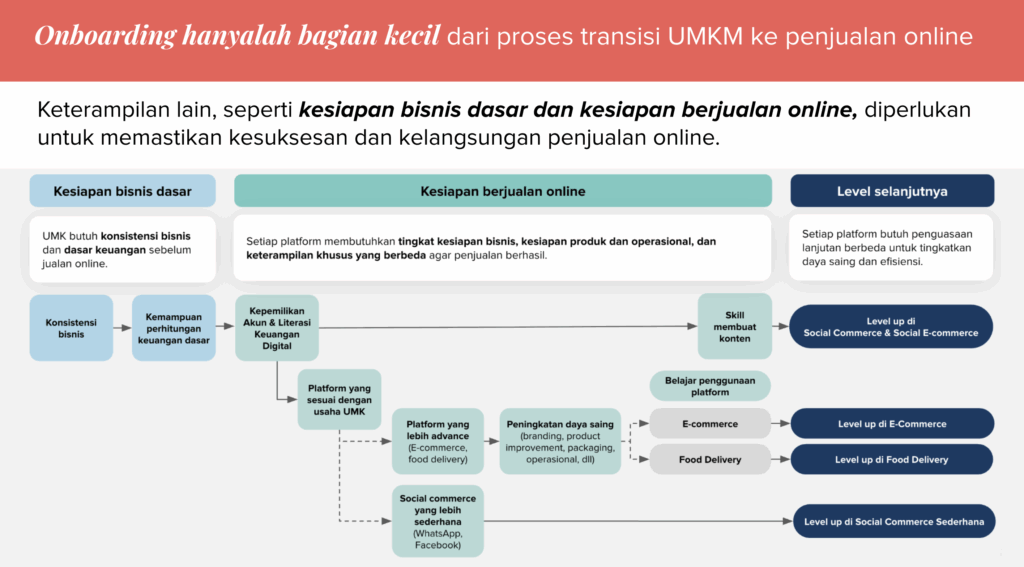
Just learning online selling is not enough; MSEs also need business consistency, basic financial and digital skills, and products ready to compete, including proper production capacity, packaging, delivery, and branding.

Consultant in-charge

chin-chin-burkolter

Chin Chin Burkolter

Project Oversee

rayi-harjani

Rayi Harjani

Project Lead

ketut-sulistyawati

Ketut Sulistyawati

Project Oversee

nathaniel-orlandy

Nathaniel Orlandy

User Researcher

See more our similar works

Collaborate with us!

Looking for ways to transforming your business?
Get in touch with us!
Sarinah Mobile App Design
Client Sarinah
Project Duration 3 months
Project Location Indonesia

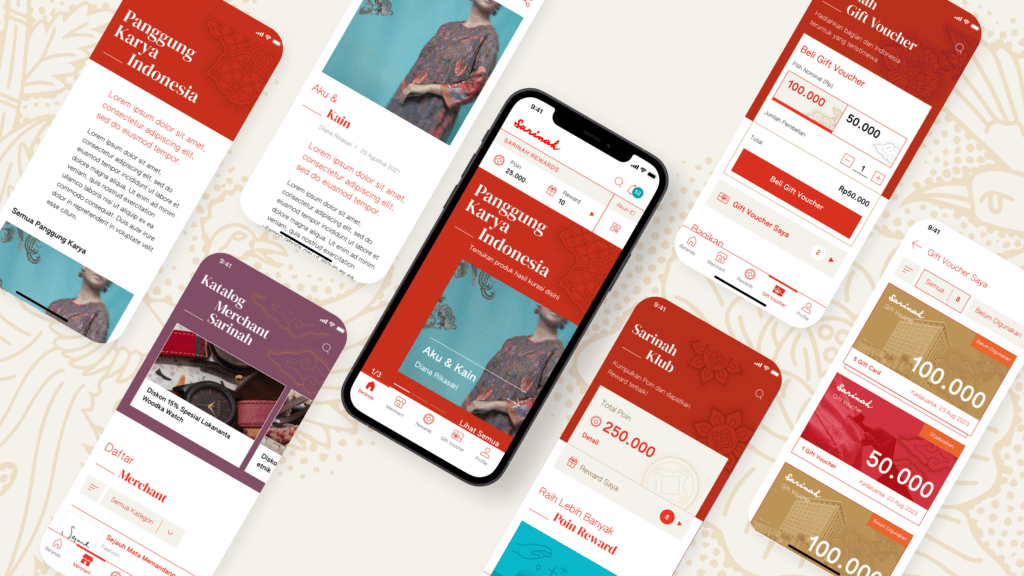
Sarinah is the first historical retail store in Indonesia and used to be an icon for older generations. To stay relevant in the present, Sarinah did a total transformation from its building to branding to attract more customers, especially the younger generation. One of the strategies is to develop mobile apps as part of digital brand activation and transform customer experience into a loyalty program.

The Impact

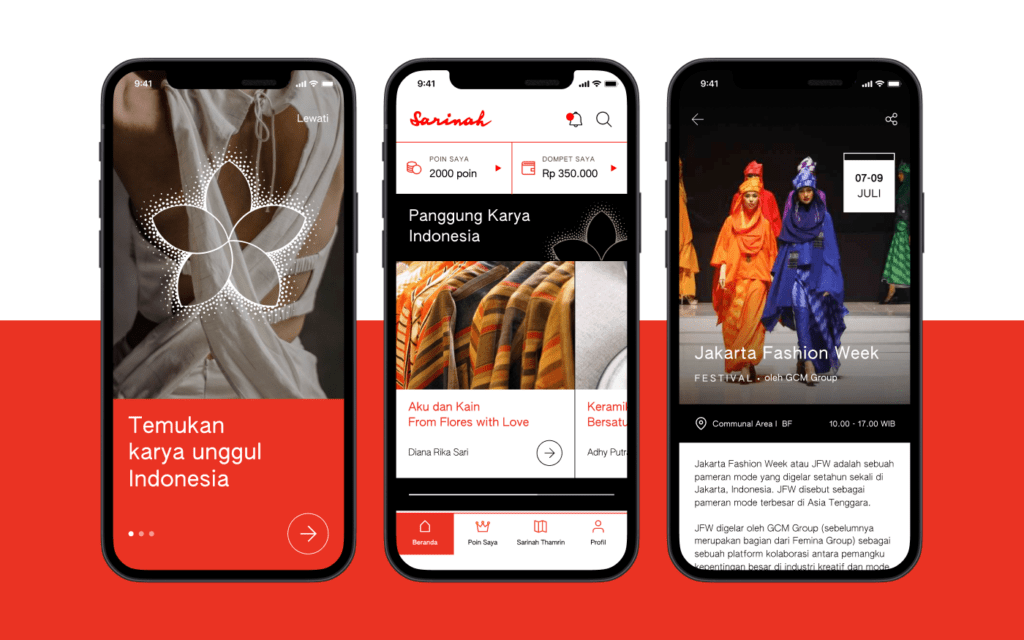
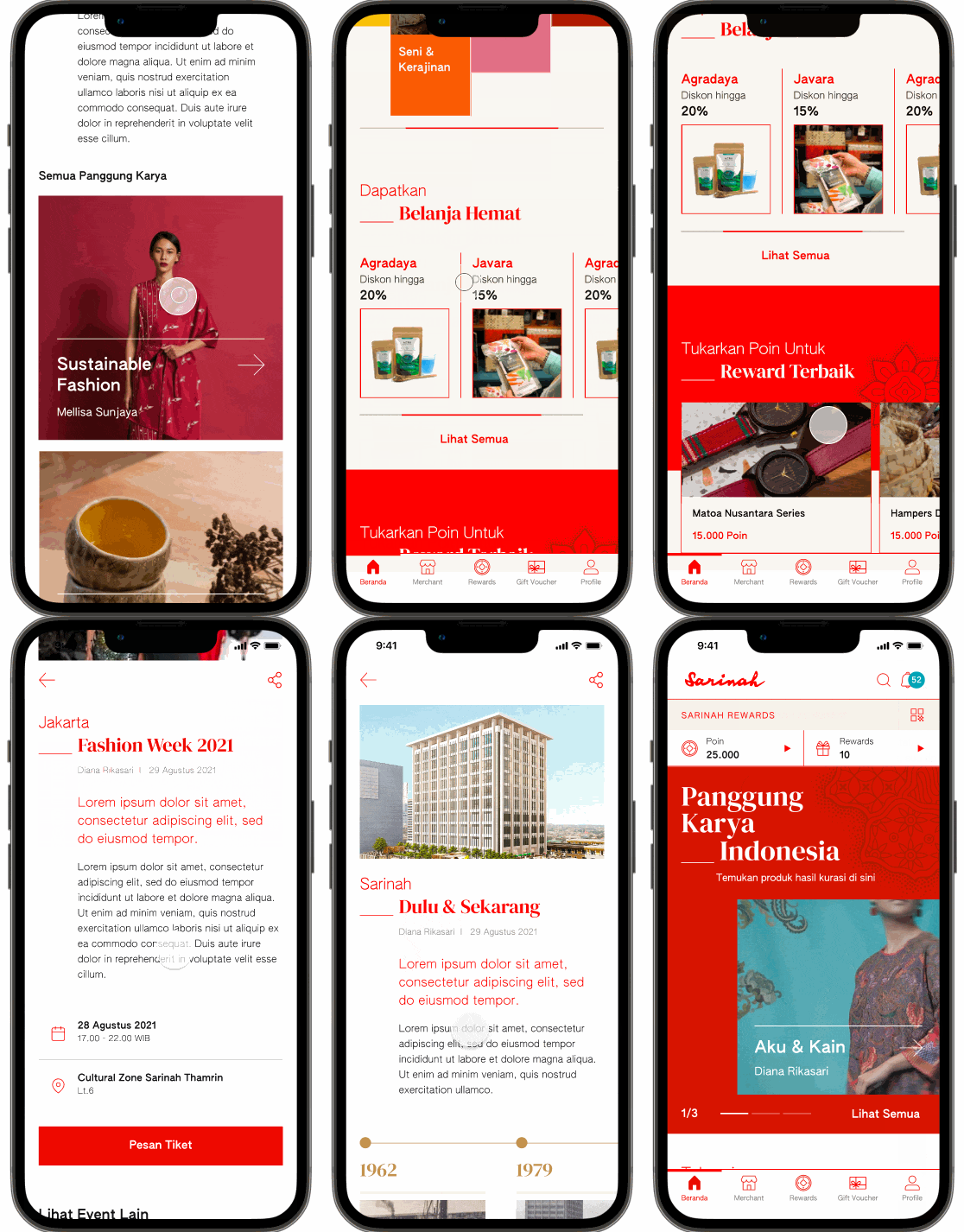
As part of the brand activation channel, Sarinah app needs to have strong branding and visual design representation. Combining a modernized ‘Ambatik’ icon, we managed to present the Sarinah app in a unique way that caters to its new brand direction without leaving the noble values of Indonesia. The new Sarinah App has led to the first phase of integrated Loyalty Program, promoting Indonesian SMEs as part of their mission.   

Our Approach

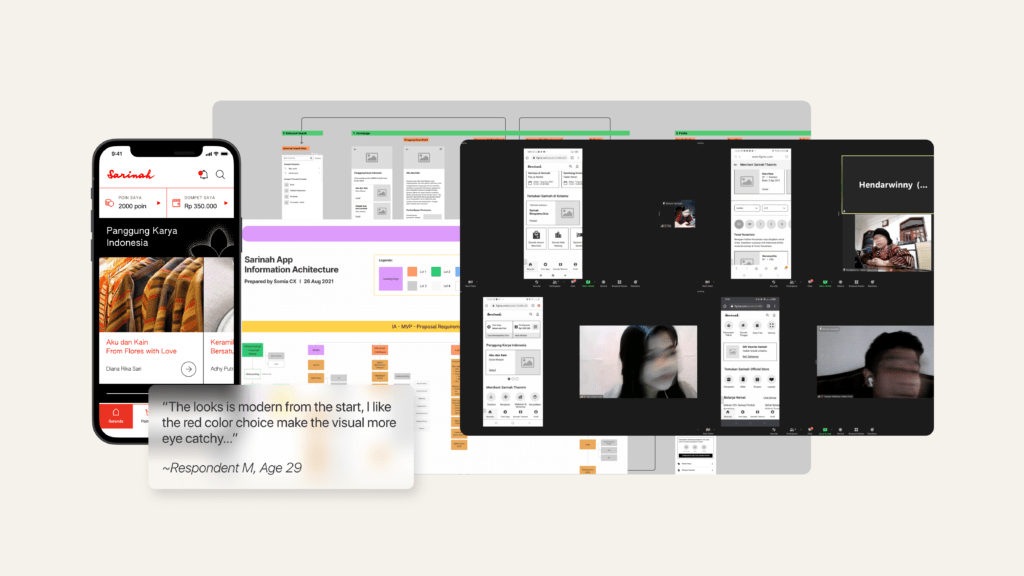
The goal is to find balance and harmony in different visual preferences according to multiple generations. Most of our explorations have involved an editorial design approach without forgetting the UIUX rules. We’re responding to these challenges by conducting several Usability Testing with 3 different target groups (Gen X, Millennials, and Gen Z) to understand all their aspirations, then conversing with our key stakeholders to understand the business directions and company visions. 

We also come upon the new branding, architectural, and interior elements to understand the new Sarinah transformation. Connecting and re-learning the importance of Sarinah from the experts has helped us to create a digital experience that feels cohesive with prideful Indonesian elements.

First visual direction of premium and preserve looks
Second visual direction of bold, pride, and rebellious
Information Architecture, Wireframing, and Usability Testing with respondents

Our Journey and Process

Visual Direction Exploration

We start exploring two distinct and extreme visual directions, mainly focusing on how editorial design looks to get premium and modern feelings. Visualize Sarinah as a feminine and elegant figure based on its background story or embrace its new and hype culture.  

Stimuli Creation

We connected those explorations to a group of both suitable and opposite keywords in the form of emotional cards. We also prepared the complete wire-flow design of the app features based on scenarios.

User Testing

The aim is to align different preferences and aspirations between 3 generations towards current vs new Sarinah. Within our stimuli, we have managed to get early feedback, validate our assumptions, and clearly understand the gaps between its vision and users desire.

Design Assets

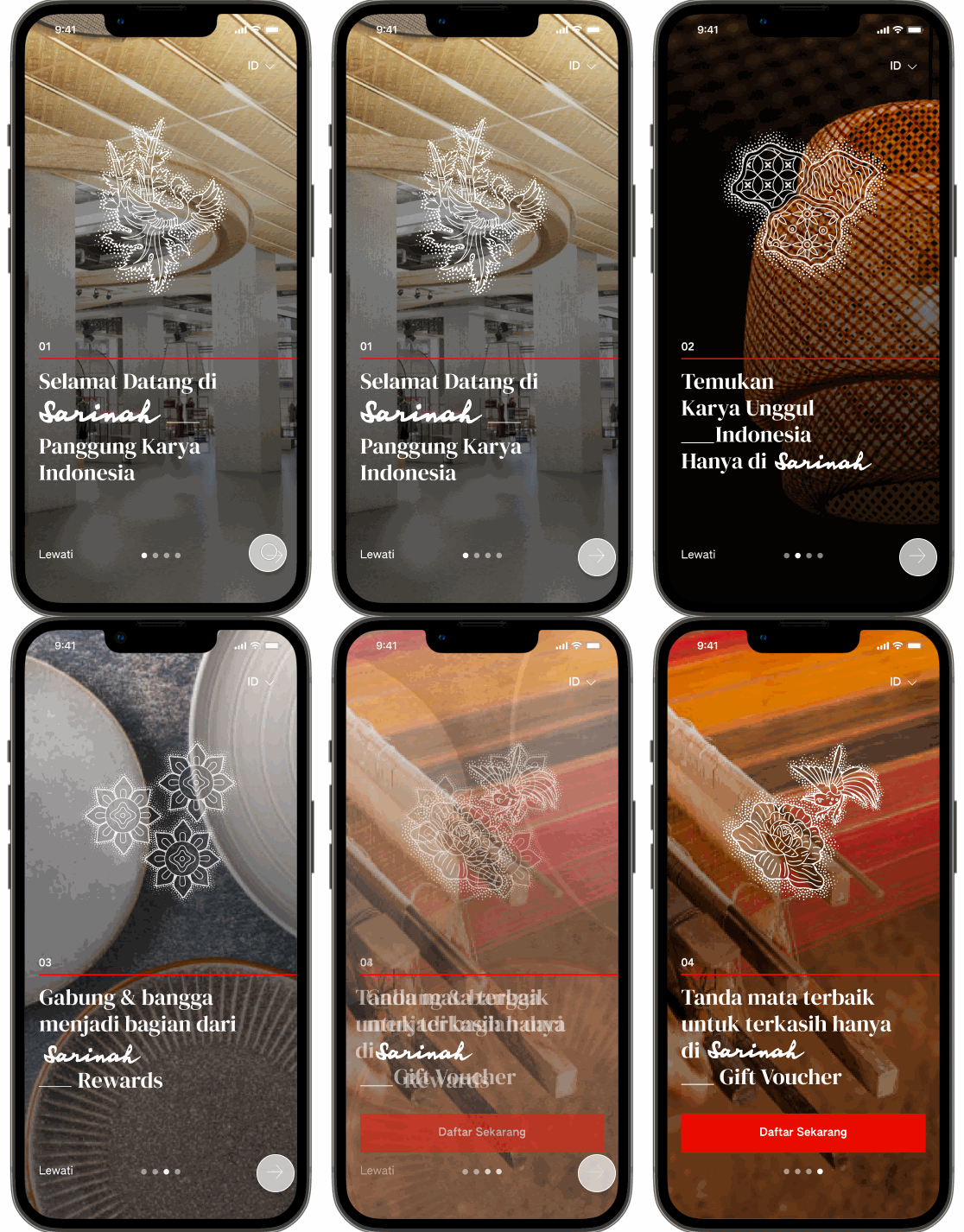
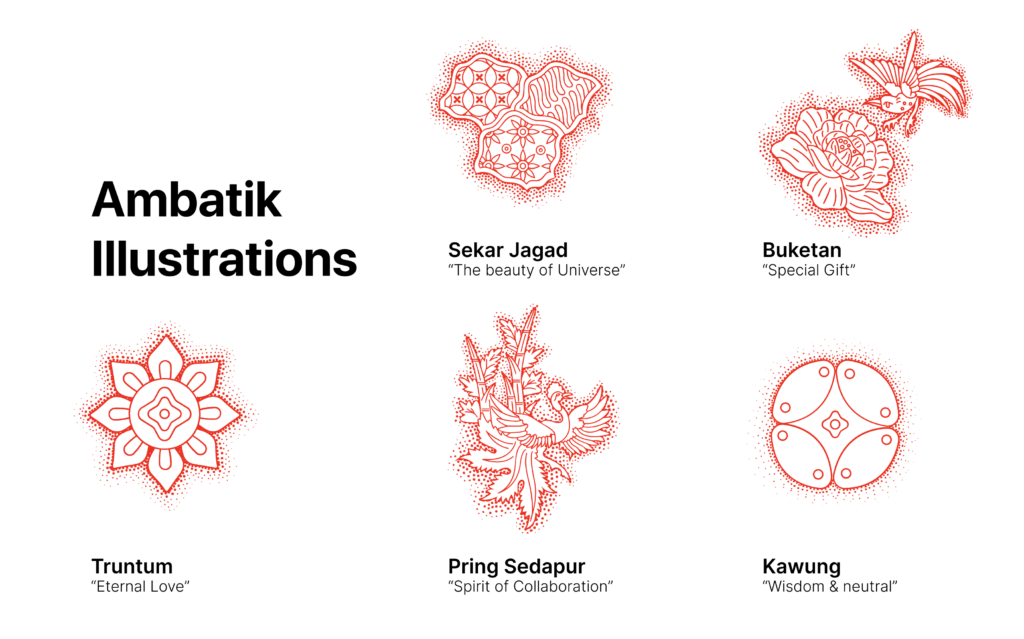
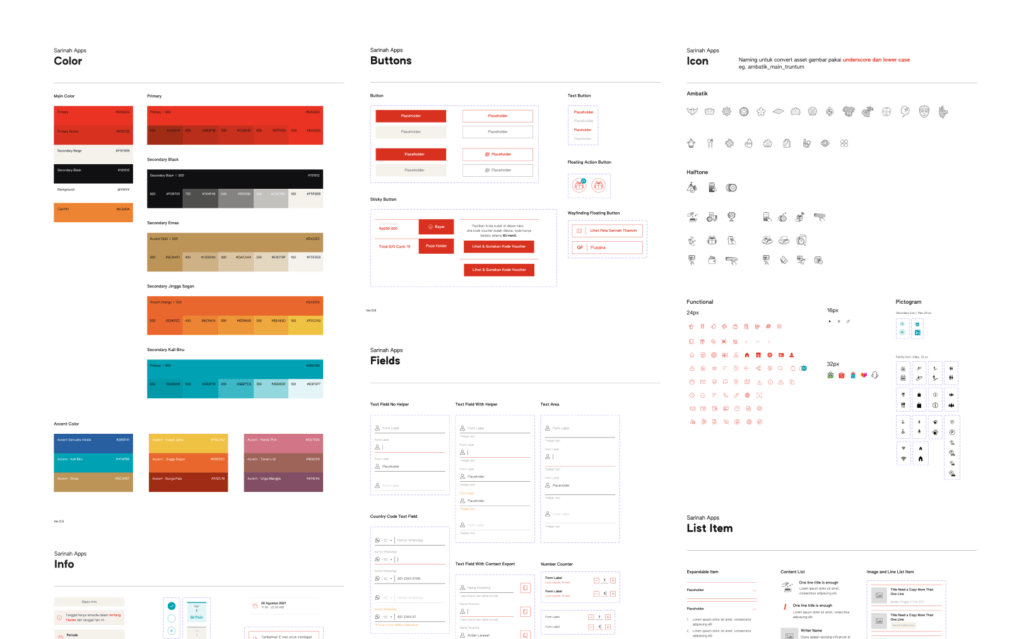
From both customers’ and stakeholders’ insights, we adjusted the two distinct visual directions to represent Sarinah’s branding keywords. We came up with new iconography and “Ambatik” illustrations for modern ethnic representation of Indonesia that also resonates with its culture and story of Sarinah.

Design Handover

Not to forget, while we design the app, we ensure every component follows the atomic design principle. The intention is to have reusable components, to be easily implemented and expanded into other digital channels and their next business phases.

Onboarding
Homepage
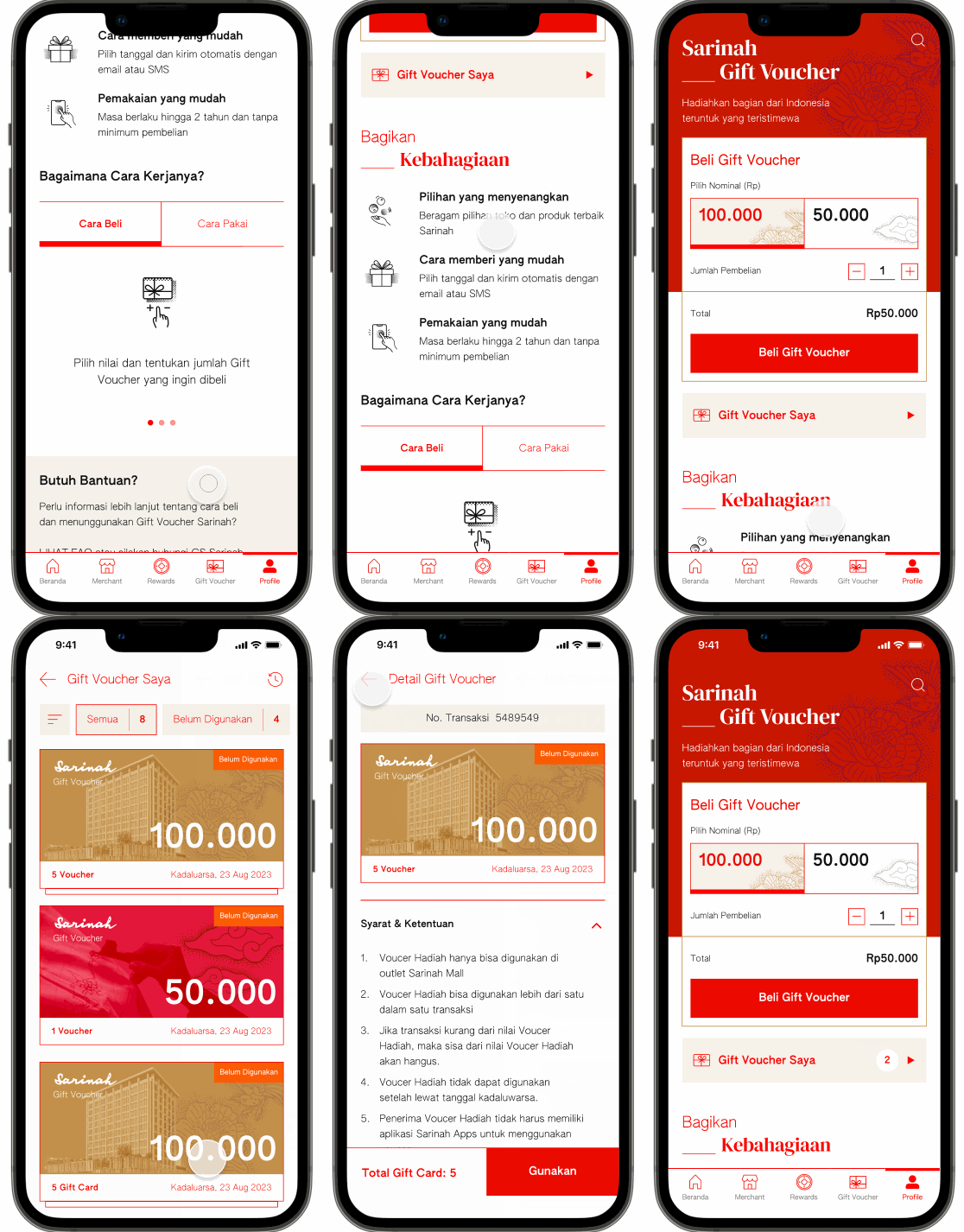
Sarinah Gift Voucher
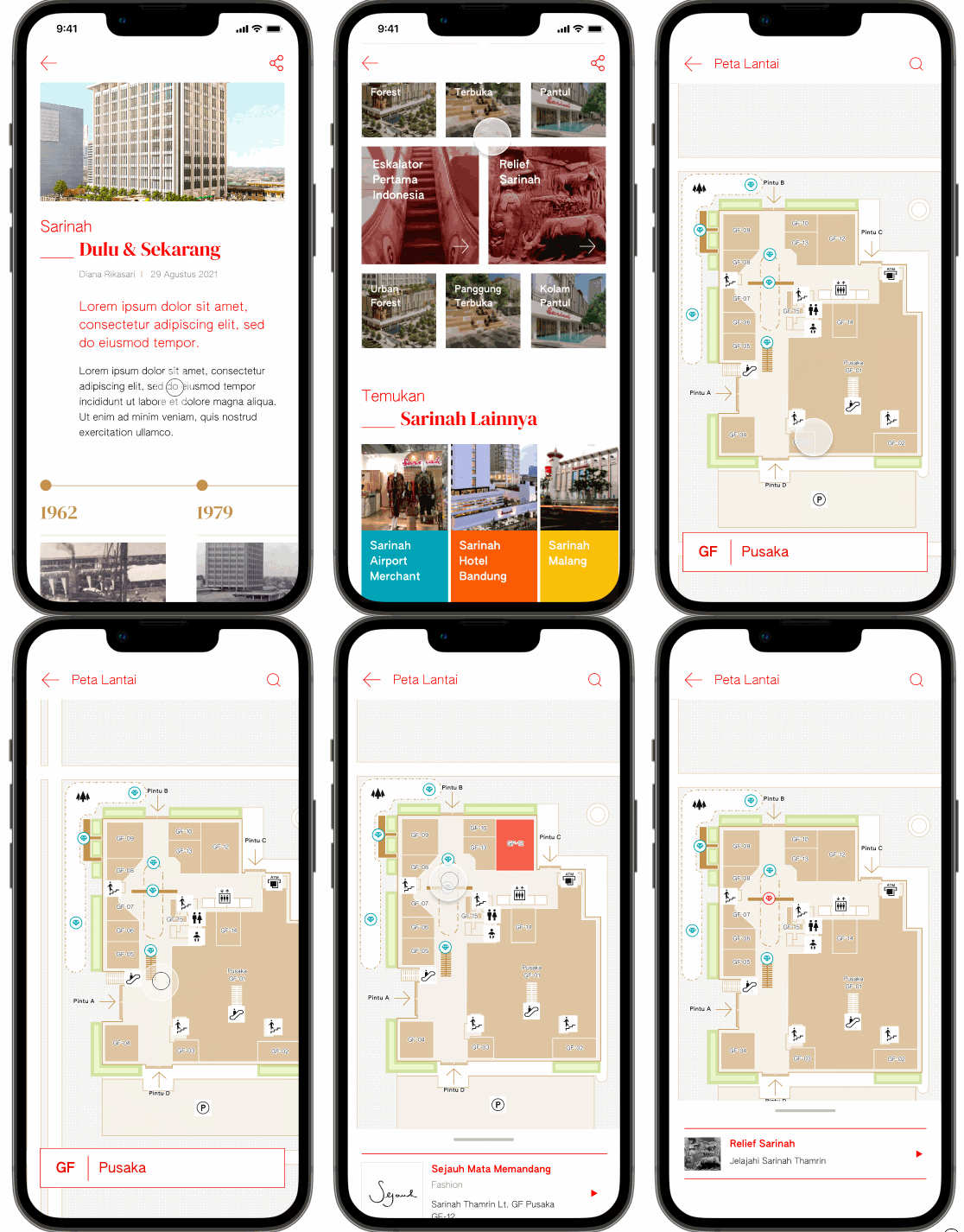
Discover Sarinah Thamrin
Design elements and the philosophy
Design Assets and Design System

The Results

We built modular and strong uniformity of Sarinah App visual elements to other mediums such as digital and physical gift voucher design. Our final visual directions came with an adventurous and rebellious feeling that resonates with the youngsters while maintaining the preserve, premium, and elegant looks to stay connected with the older generations. 


Consultant in-charge

Uka-q-a-p

Rayi Harjani

Project Oversee

Catharina-krisanti

Catharina Krisanti

Interaction Designer

Ketut Sulistyawati

Project Lead

gilang-nur-aidi

Nathaniel Orlandy

Interaction Designer

See more our similar works

Collaborate with us!

Looking for ways to transforming your business?
Get in touch with us!
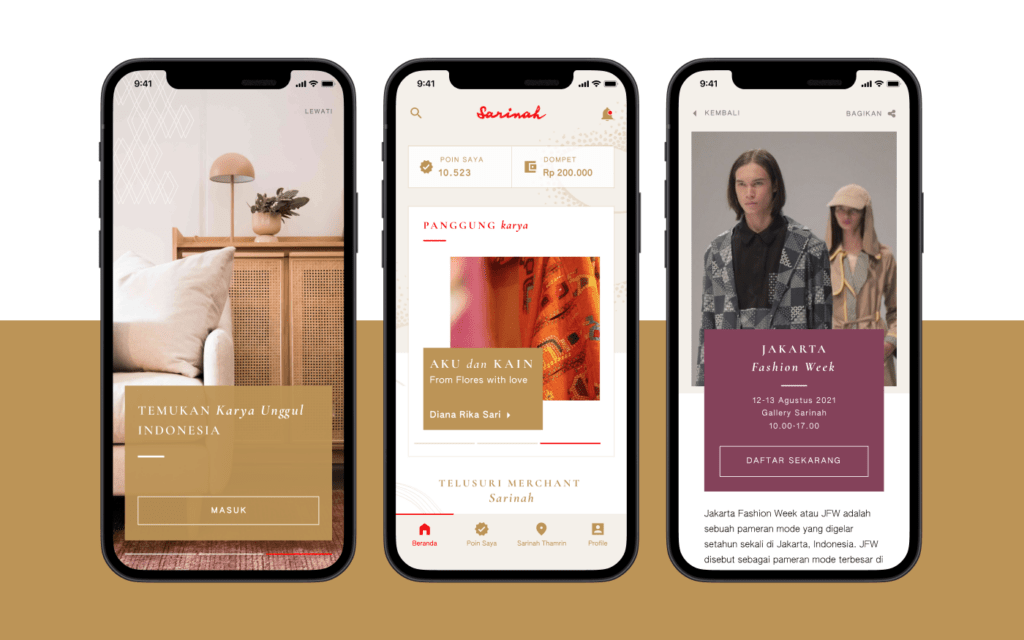
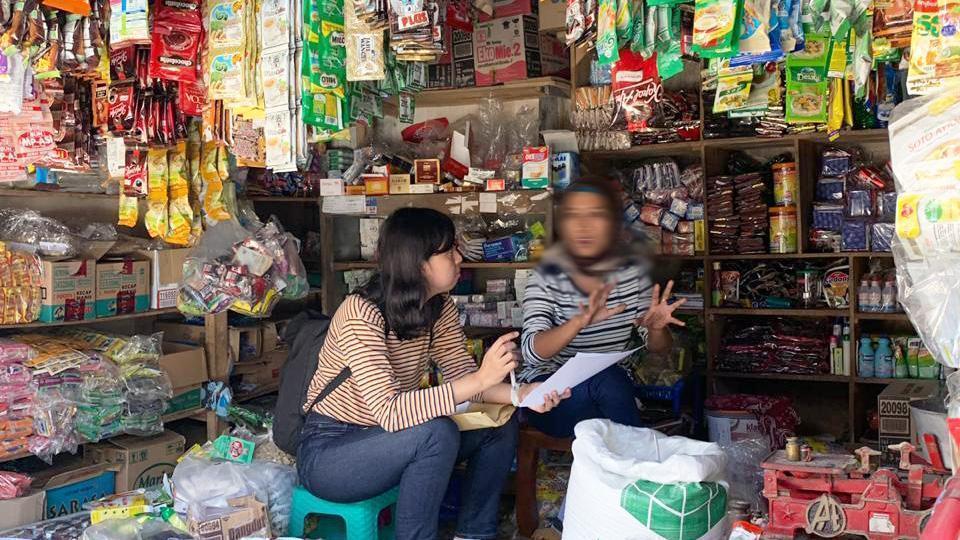
Photo of Warung owner being interviewed
Client E-Commerce
Project Duration 2 months
Project Location Jambi, Manado, Yogyakarta

We engaged with a new startup to enter the e-commerce market targeting rural areas in Indonesia. Since it was still at the beginning of the development, our biggest challenge was defining the target customers and product strategy to have the right angle for the rural market.

The Impact

Within two rounds of research, we helped the client develop a clear strategy of value proposition, product offering, customer experience, and product roadmap to enter the market confidently.

Our Approach

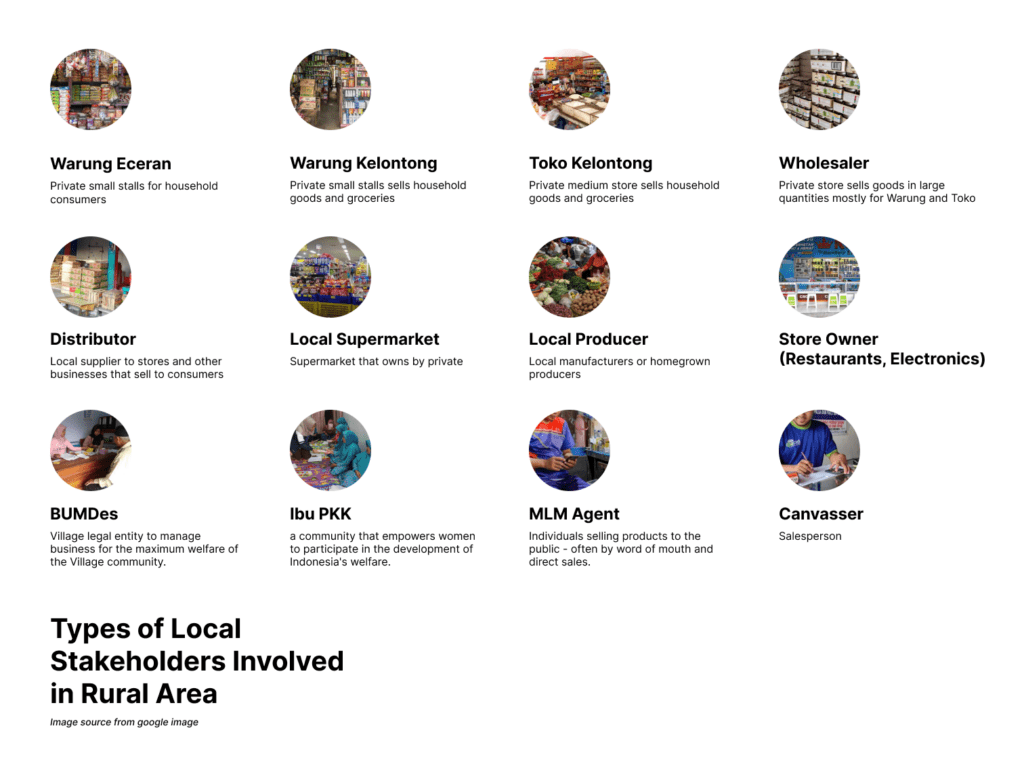
We need to understand our users better to define the go-to-market strategy. The explorations that have been done aren’t targeting only the store owners but also other stakeholders, like suppliers, logistics, and also the BUMDes (village apparatus). Based on those explorations we have gained a deeper understanding of the whole ecosystem. Our works aren’t limited to the initial discovery only. We also did service evaluation by visiting areas in Central Java with different types of local merchants. This evaluation helps us to uncover a holistic service journey that can be improved and implemented into e-commerce product transformation.

Stakeholders Mapping

Our Journey and Process

Exploratory Research

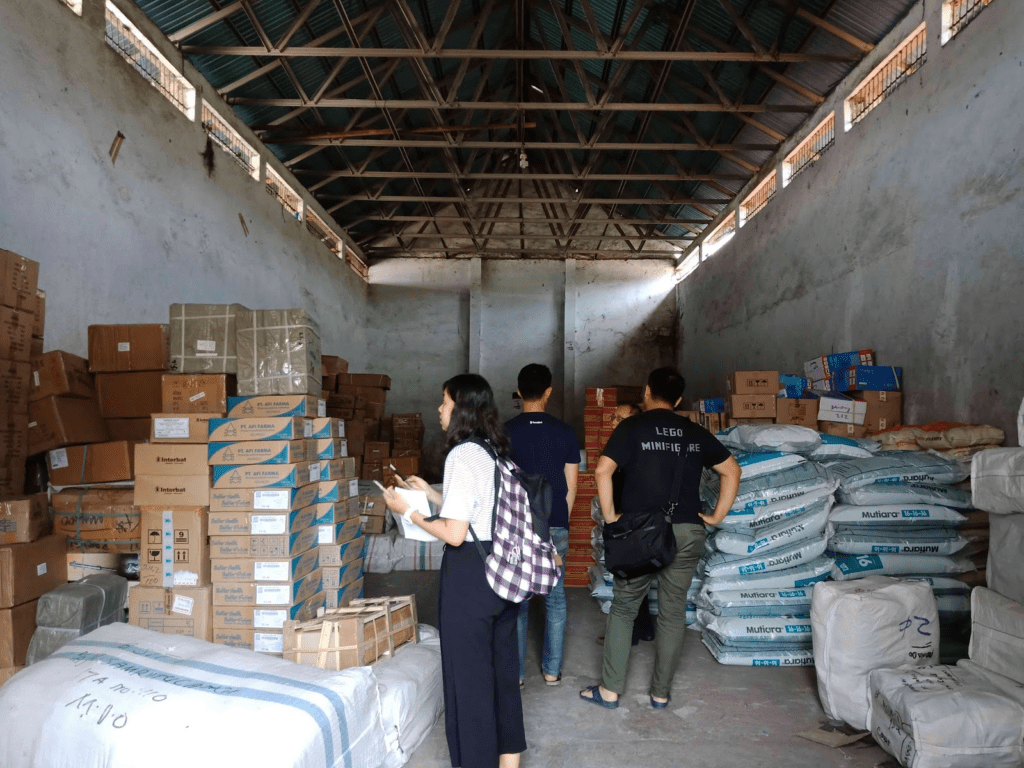
We conducted IDI and intercepts with different stakeholders and business scales in 20 locations from Jambi, North Sulawesi, and Central Java. They range from small, medium, and big resellers. This field research goal is to understand the full ecosystem’s needs and pain points.

Service Evaluation

In this phase, we focus on the service evaluation and identifying improvement areas. We did immersive research in four regions in central Java by interviewing the stakeholders, going to the store, doing home visits, field observations, and intercepts.

Intercept and in-depth-interview with respondents

The Results

Targeting the rural market would be challenging, especially if the products heavily rely on digital. Here are some of the insights that we’ve captured from our research:

  • Physical touchpoints and offline relationships are essential to bridge the interaction. The existing user journey has been developed for a long time and is primarily offline. Hence, the product can’t apply fully digital experience and touchpoints instantly.

  • Trust is built over time. Trust is earned. Familiar faces are needed, and past bad experiences set their trust. In this service journey, reliable agents, stock availability, and straightforward legal entities greatly influence customer trust.

  • The product should build simple and practical over users’ existing habits. Their day has always been packed with warung/ shop routines, and they are served by sales which come directly to the shops. They don’t have time or motivation to learn new things that add more complexities to their current habits.

Consultant in-charge

Chin Chin Burkolter

Project Lead

Rayi Harjani

User Researcher

anindya-fitriyanti

Ketut Sulistyawati

User Researcher

See more our similar works

Collaborate with us!

Looking for ways to transforming your business?
Get in touch with us!